Rivendell Rural Finance
LIVE LIFE RURAL
Your expert rural finance mortgage brokers in Australia from 1 acre to 10,000 acres.
Rural finance Canberra specialists and trusted rural finance brokers NSW, providing acreage finance Sydney regional and beyond. We service all areas of NSW, VIC & QLD, offering rural home loans, hobby farm loans, lifestyle property loans, agribusiness farming loans and regional first home buyer finance.
” Let us take away the stress and worry for your next rural finance home loans application. We love rural and acreage properties and are experts in this area. You are in good hands with Rivendell Rural Finance “
MAKE YOUR DREAM A REALITY
Rural Finance
Imagine owning your own piece of rural paradise in NSW or ACT. We are fortunate to have some of the most stunning rural and acreage properties in Australia at our doorstep. The question you may be asking is: ”can
Contact us today to start this exciting journey
” Let us take away the stress and worry for your next rural finance home loans application. We love rural and acreage properties and are experts in this area. You are in good hands with Rivendell Rural Finance “
Rural Finance Services


CLIENT TESTIMONIALS
We have had the best experience and we couldn’t have asked for a better mortgage broker to have helped us through everything.
We felt very supported throughout the experience and you always ensured we understood what was happening. Thank you for this clarity and transparency.
There was no way we could have purchased our first home without you, so thank you again!
Seriously cannot recommend Alison highly enough!
We found Alison after an awful experience with a franchise mortgage broker. Alison took us on, and we were pretty complex, she went way above and beyond to get us our perfect block of land. Nothing was a problem, and her language was so relatable and understandable with no financial jargon. We so wished we had found her at the start of our journey and can’t thank her enough.
Alison was absolutely amazing from start to finish. We had a tricky loan/income situation that multiple brokers could not help us with. Just as we thought our dream scenario was not possible, we found Alison by chance and she moved heaven and earth to make it happen for us!
Alison guided us through a stressful time, working tirelessly and often after hours, to get a difficult loan approved and in an impossible time frame. She treated our situation as if it was her own.
This was all done over the phone and through email as we live in a different state to her.
I leave this review here for anyone in need of a broker and wondering what separates each broker. We dealt with multiple brokers that put us in the too hard basket, and are now sitting here the happiest clients in the world after Alison has delivered on everything we asked of her. Her follow up support even after settlement has been genuine and so helpful.
We have now found a broker for life. Thank you so much Alison & Rivendell, great people and a great company!
Alison from Rivendell Rural Finance is great. We have had Alison help with refinancing to pay for renovations and also to buy 100 acres.
Alison helped us with probably a dozen scenarios (buying larger blocks, vacant blocks, mixed use blocks) and her information empowered us to make the best choice for us.
We got a great product at a highly competitive rate. Alison also helped us navigate a very difficult purchase with an unhelpful agent and unapproved structures.
I could not recommend her services more highly!
I recently purchased my first rental property with the help of Alison. Nothing was too hard for Alison. She goes above and beyond. I never had any trouble contacting her. She always kept me up to speed with every step. super efficient and I would never use a bank again. I can’t thank you enough for everything. I recommend her 100%.
Alison went above and beyond, she made the entire process pain free. Amazing knowledge and communication. Would highly recommend her for Rural Finance!!
Alison is an absolute professional, incredibly knowledgeable and made our entire purchasing experience a pleasure.
From the first enquiry, Alison provided the best advice and was always so quick to reply to any questions we had. Alison has a very friendly approach, this along with her extensive knowledge of the current markets provided us with the confidence to purchase our property.
We highly recommend Alison!
Alison came highly recommended by our lovely realtors and WOW, did she not disappoint! Alison helped purchase our gorgeous forever home. After a year of holding our hand and going back and forth with us on deciding upon big acreage, small acreage, land and build options before finally settling on our DREAM pre existing home. Alison made this process so easy and quick. Alison was on the phone to us ANY time we needed, after hours, Sunday’s, Mother’s Day all in between her dealing with her own farm animal situations. My husband and I were filled with absolute confidence from the get go. Alison was very thorough with explaining everything and was even great with just general knowledge on purchasing property. Alison is AMAZING and we would not recommend anyone else after dealing with Alison xx
Alison is amazing!!! She absolutely knows what she is doing and was always available to answer questions. We used another broker first who applied for a loan that was not appropriate for the size of our property leaving us scrambling for last minute rural finance. Alison jumped right in and got it done. Yesterday we settled on an amazing property which we couldn’t have done without Alison.
Alison expertly guided us through a very complex loan process that comprised many elements and moving parts. Her knowledge of processes, policies and the intricacies of different lenders was extremely impressive and provided us with enormous confidence. Alison’s patience with us and our many questions was greatly appreciated, as was her tolerance of our sense of humour. Her communication style was engaging and open, and we never had any doubt as to status or progress, due to timely updates. We cannot highlight or emphasise enough, the significant time and effort that Alison dedicated to helping us, and to improve our financial situation. Our heartfelt thanks and gratitude.
I really don’t have the words as to how good Alison truly is. We had been to different mortgage businesses being left frustrated and seemingly left without any finance. I was referred to Alison who was just absolutely incredible. Without Alison, I’m sure my family and I’s dream home would not be being built. Alison’s customer service is incredible, response times are ridiculously quick for someone in this field of work! She loves to get stuff done! I am gobsmacked at how efficient, driven and reliable Alison is. You feel as if when dealing with Alison that it’s a close friend helping you out, you just build that close relationship and she really does all she can to help. She held our hand throughout the whole process, going well above and beyond any clients needs. I am forever grateful for Alison’s hard work and dedication. If you need finance for any size property, you need to go through Alison at Rivendell Finance.
Cannot thank Alison enough for all her hard work getting our refinance over the line, we are grateful for her help sorting our finances out and in the process saving us a lot of money too!! Very knowledgeable and professional, would not hesitate to recommend Rivendell Finance.
Wow, Alison’s knowledge & experience with farm finance is nothing short of amazing. So professional & yet feels like you’ve known her for years. She’s forward thinking about your future & I love that. Thank you for all your help. Highly recommend.
Mortgage Magician, is the only way I can describe Alison’s abilities! As a family we have used Rivendell Finance for many loan transactions, and I have also recommended Rivendell Finance to clients (vendors & purchasers) on many occasions. She is amazing!! Great customer service, creative thinking, thorough, and process driven. She has listened and understood our needs and wants for every purchase/transaction we have made over the past years. Where I thought our finances were complicated at best, Alison has been able to get her head around each of our scenarios and made stuff happen! I thoroughly recommend Rivendell Finance and I would not use anyone else, ever!
Alison helped us get the property we have been dreaming of for several years. She has stuck by us during the ups and downs of finding our property and provided the most amazing advice. Alison also assisted another family member in securing their home. I can’t recommend Alison highly enough and no matter what type of house or property you are purchasing she will help.
Thank you Alison for helping us find our piece of paradise for all my family to enjoy!
Rivendell Rural Finance was recommended to us by some friends and we are so very grateful that we reached out. Alison was a wealth of knowledge and unbelievably helpful with answering our questions. She provided us with various options with our future financial needs and we are so happy with the outcome and having her support throughout the whole process. Would be happy to recommend her to anyone looking for any financial assistance.
We have had the pleasure of dealing with Alison on multiple properties and had her assisting with business finance also.
Her around the clock support is second to absolutely no one.
She will do her job plus more, she is more than happy to have a half hour phone conversation after hours for advice alone.
I can’t recommend her enough.
we will certainly look forward to using her services for all future dealings.
Alison was fantastic, kept us up to date the whole process and was extremely patient with us when we kept making major decisions that required starting the process again. Our financial situation changed numerous times during the process and Alison went above and what we expected.
My partner and I found ourselves in a non-standard lending situation, which meant the banks simply wouldn’t lend to us. Being rural, owner builders, and not ticking the standard boxes, they all found it too hard. After reaching out to six brokers and countless banks, we kept getting the same response: it couldn’t be done. As a last-ditch effort before committing to an online funding group (which would have cost us a fortune in fees and double the standard interest rate), I found Alison through a Google search. From the very first conversation, she was helpful, efficient, and determined to find a solution. Despite it being over the Christmas break, Alison took the time to understand our situation, worked tirelessly, and secured us a loan through a standard bank that understood agriculture and hobby farming —with a competitive interest rate, no extortionate fees, and no hidden surprises. After six months of knockbacks, we were amazed at how she took everything in her stride and simply made it happen. Her industry knowledge, persistence, and bank contacts were invaluable. If you’re in a complex lending situation and have been told “no” too many times, don’t give up until you speak to Alison! We can’t recommend her highly enough.
Alison was incredible! She guided my husband and I through the application process for a tricky regionally zoned parcel of land. We couldn’t have done it without her and are grateful for all her help. Alison was efficient and timely in her communication. As first home buyers we had a lot of questions and she was happy to take the time to clarify things for us along the way. Definitely recommend
Alison went above and beyond to make our rural dreams come true – we felt supported the whole way through what can be scary & stressful at times…..our son now has his first mortgage at age 21 and we really wanted a good experience for him as his first time with a big purchase. Will def use again 🙂 We are a very happy family of land owners now….let the adventures begin!!!!
Alison worked tirelessly with us for years to propose possible finance options for multiple rural properties and was crucial to us purchasing our first small farm. We strongly believe we could not have secured finance without her due to complexities in our situation. She was always available to talk through any questions we had and went the extra mile to get us over the line. We highly recommend her to anyone who requires a mortgage broker, particularly for purchasing a rural property.
I honestly can’t thank Alison from Rivendell Rural Finance enough for everything she did to help me purchase my 260-acre bush block.
Before speaking with Alison, I had contacted a few other brokers, but none of them had the experience or confidence to secure finance for a large rural holding. Alison was different from the very first conversation. She understood exactly what was needed, explained everything clearly, and gave me confidence that the purchase could actually happen.
LOCAL PROPERTIES FOR SALE & FEATURES PROPERTIES
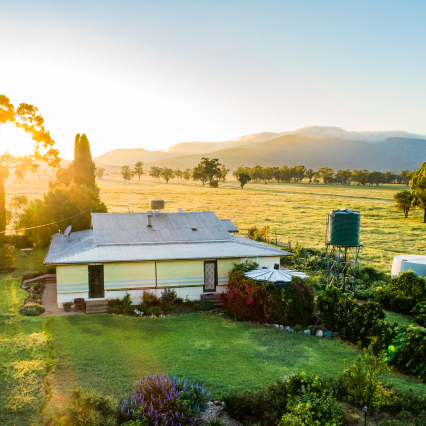
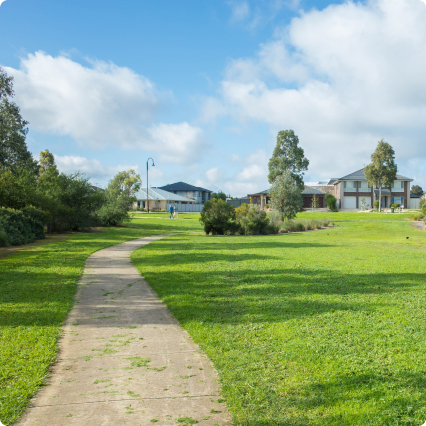
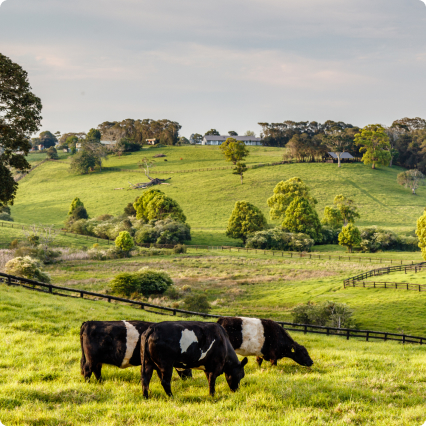
CHECK OUT OUR FACEBOOK ARTICLES


FAQ
How do I get rural finance in Australia?
Getting rural finance in Australia starts with understanding how lenders assess rural and regional properties differently to standard residential homes. Factors such as land size, zoning, property use (lifestyle, hobby farm or agribusiness), access to services, and income stability all play a role.
The first step is to speak with a rural finance broker who understands which lenders are active in rural areas and what their specific requirements are. You’ll typically need:
Proof of income (PAYG, self-employed or farming income)
Deposit details (often higher for rural properties)
Property information including land size, location and usage
Existing debts and financial commitments
A specialist in rural finance Canberra and across NSW can match you with lenders that offer suitable rural loan products, improving approval chances and loan structure.
What is the difference between rural and residential loans?
The main difference between rural and residential loans is risk assessment. Residential loans are designed for properties in metropolitan areas with standard zoning and easy resale potential. Rural loans apply to properties that are larger, zoned rural, or used for farming or lifestyle purposes.
Key differences include:
Land size limits: Many lenders restrict residential loans to properties under a certain acreage.
Deposit requirements: Rural loans often require higher deposits.
Valuations: Rural properties can be harder to value and may attract conservative valuations.
Lender choice: Fewer lenders offer true rural finance products.
Because of these differences, working with a rural finance broker NSW helps ensure the loan is placed with a lender experienced in rural and regional lending, rather than a standard residential bank product.
What are the top tips for financing acreage land?
Financing acreage land requires planning and the right advice. Here are key tips to improve your chances of approval:
Check zoning early: Rural, farming or lifestyle zoning can affect lender eligibility.
Understand lender land size limits: Not all banks will lend on large acreage properties.
Prepare a strong deposit: Larger blocks may require a higher deposit than residential homes.
Clarify property use: Be clear whether the land is for lifestyle, hobby farming or commercial farming.
Use a specialist broker: A broker experienced in acreage finance Sydney regional areas understands lender policies and valuation challenges.
Getting the right advice early can save time, reduce declined applications and help secure a loan structure that suits rural property ownership.
What is rural finance?
Rural finance refers to loan products specifically designed for properties located in rural, regional or semi-rural areas. This includes acreage properties, hobby farms, lifestyle blocks, working farms and agribusiness operations.
Unlike standard residential loans, rural finance takes into account factors such as land size, zoning, property usage and access to services. Because fewer lenders specialise in this space, rural finance is typically arranged through lenders with experience in regional lending or with the help of a specialist rural finance broker who understands rural property requirements and lender policies.
What are the requirements for rural finance in Australia?
Rural finance requirements in Australia vary by lender, but generally differ from standard residential loan criteria. Common requirements include:
Larger deposits: Rural properties often require higher deposits
Property zoning: Rural, farming or lifestyle zoning affects eligibility
Land size limits: Some lenders restrict the maximum acreage they will accept
Valuations: Rural properties may receive more conservative valuations
Income stability: PAYG, self-employed or farming income must be clearly evidenced
Because requirements vary significantly, speaking with a specialist in rural finance Canberra and across Australia can help clarify lender expectations early and improve approval outcomes.
Types of rural finance in Australia
Farm loans – for buying or expanding farms
Agribusiness finance – for large-scale farming businesses
Rural property loans – for rural homes and land
Hobby farm loans – for small lifestyle farms
Equipment finance – for machinery and vehicles
Working capital finance – for daily expenses and cash flow
Rural development finance – for regional projects
First home buyer loans (regional) – for rural home buyers
Who qualifies for rural finance?
Farmers and agribusiness owners
Rural or regional property buyers
First home buyers in rural areas
Small business or self-employed applicants
Requirements: income proof, deposit, and suitable rural property.
Interest rates & terms explained
Interest rates are competitive and vary by lender and loan type
Rates depend on factors like income, property type, and loan size
Can be fixed or variable (floating) depending on the loan
Rural finance vs farm loans
Rural finance:
Broad term for loans for rural properties, lifestyle blocks, hobby farms, and agribusiness
Considers land size, zoning, and rural conditions
Farm loans (farmer loans):
A type of rural finance specifically for farming activities
Used for land, equipment, livestock, and farm expansion
Rural finance = general rural loans
Farm loans = specific loans for farming purposes.
How does rural finance work in Australia?
Rural finance works by matching borrowers with lenders who understand rural properties and farming needs
Lenders assess factors like land size, zoning, property use, and income stability
Borrowers provide income proof, deposit, and property details
Loans are then structured flexibly to suit seasonal farm income and rural conditions
Who can apply for rural finance?
Buyers of rural or acreage properties
Hobby farmers or lifestyle property owners
Farmers and agribusiness operators
First home buyers in regional areas
Self-employed or small business owners
Can I get rural finance with low deposit?
Yes, you might be able to get rural finance with a low deposit, but it depends on the lender and your situation. Most rural loans usually require a larger deposit (often ~20%) because rural properties are harder to value and are riskier for lenders. However, some options may allow smaller deposits (especially for first‑home buyers with government support or guarantor arrangements).
Standard rural loans often ask for higher deposits (around 20–30% for rural land).
Low‑deposit options exist through government schemes (like first home buyer programs) or by using guarantors/other strategies — but these may involve higher costs such as higher interest or mortgage insurance.
Is rural finance harder to get than a home loan?
Yes — rural finance can be harder to get than a standard home loan.
Lenders see rural properties as higher risk because they can be harder to value, harder to sell quickly, and may have limited services or infrastructure. This means fewer lenders will offer rural loans, compared with regular home loans for metropolitan or suburban homes.
To improve your chances, many people use a specialist rural finance broker (like Rivendell) who knows which lenders will offer rural lending products.
Can I get a home loan on RU1 zoned land?
Yes, in many cases — but it depends on the lender and how the property is used. RU1 (Primary Production) zoning is often assumed by banks to mean commercial or agribusiness lending, even when the property is genuinely used as a residential or lifestyle acreage. We help buyers find lenders who assess these properties fairly, based on actual use rather than zoning alone. [Get in touch to check your specific property →]
What is dwelling entitlement, and why does it matter for finance?
Dwelling entitlement refers to whether a block of land is legally approved to have a house built on it. Without it, some lenders will treat the property as vacant land only, which can significantly affect your borrowing options and deposit requirements. It's one of the first things we check before helping structure finance on any rural block. [Learn more about acreage loans →]
Can you get a loan for vacant rural land with no house on it?
Yes, though vacant rural land is generally viewed as higher risk by lenders, so expect a larger deposit requirement (often 20-50%, depending on size, zoning, and location) compared to a property with an existing dwelling. We work with lenders who understand rural vacant land and can help structure finance that fits your situation, even before you've decided to build. [See our vacant land finance options →]
Why do banks want a bigger deposit for rural property?
Banks generally view rural and acreage properties as higher risk than standard residential homes, since they're harder to value and resell quickly. This means deposit requirements are often higher — sometimes 20-30% instead of the standard 10-20% — but the exact amount depends on land size, zoning, and whether there's an existing dwelling. We can help you understand what a specific property is likely to require before you commit to a purchase.
Can I check if a property is financeable before I make an offer?
Absolutely, and we'd strongly encourage it. We regularly help buyers validate financeability — checking zoning, dwelling entitlement, likely LVR, and lender appetite — before they make an offer, so there are no surprises once you're under contract. [Get in touch before you make your next offer →]
What's the difference between a hobby farm and a working farm for lending purposes?
Lenders generally treat a hobby farm (a property used mainly for lifestyle or small-scale personal use, without significant commercial farming income) differently from a working farm or agribusiness (a property generating genuine commercial income). Hobby farms are often assessed more like residential lending, while working farms may require agribusiness-specific finance. Getting this classification right can significantly affect your options and rates. [Learn more about hobby farm loans →]
Can first home buyers get finance on acreage or rural-zoned land?
It's possible, but it can be more complex than a standard first home buyer purchase — some government FHB schemes and stamp duty exemptions have restrictions around zoning or land size. We help first home buyers understand exactly what they qualify for on a rural or acreage property before they commit.
What happens if my bank suddenly increases the deposit requirement after valuation?
This can happen if a valuation reveals something the bank considers higher risk than expected — for example, unusual zoning, access issues, or property condition. If this happens to you, it doesn't necessarily mean the deal is dead; it often means it's time to look at alternative lenders with different risk appetites for rural property. [Talk to us about your options →]
Can I get a bridging loan if my property sale and purchase settlements don't line up?
Yes, bridging finance is a genuine option when you need to complete a purchase before your existing property sells. It requires careful structuring to manage the short-term overlap in debt, and we can help assess whether it's the right fit for your specific timeline and numbers. [Get in touch to discuss your settlement timing →]
Should I use equity from my existing property, or keep securities separate?
This depends on your goals and risk tolerance. Using equity (cross-collateralising) can simplify borrowing but ties your properties together as security; keeping them separate offers more flexibility if you plan to sell one in future, but may require a more complex loan structure. We help you weigh this up based on your specific plans, not just what's easiest for the bank.
Can I consolidate or refinance multiple rural properties into one loan?
Yes, this is a common structure for buyers with adjoining or related rural titles, particularly for agribusiness purposes. It often involves choosing the right agribusiness lender and structuring a mix of fixed and variable rates to suit long-term plans. [Learn more about agribusiness finance →]
Can I still get finance on a lower-value rural property?
Yes, though lower-value rural properties (particularly under $150,000-$200,000) often need a specialist lender rather than a mainstream bank, since standard lenders can be reluctant to lend smaller amounts against rural security. We work with lenders who specialise in exactly this kind of property.
Can I access equity in my rural property to help fund aged care costs?
Yes, this is something we help with sensitively and carefully. Options may include equity release, a Home Equity Access Scheme, or traditional refinancing, depending on your circumstances, and we take the time to understand your full situation before recommending a path forward. [Get in touch for a confidential discussion →]
Do I need a specialist rural broker, or can I just use my regular bank?
Rural and acreage properties often don't fit neatly into standard residential lending criteria, which is why many buyers get knocked back or offered unfavourable terms through a mainstream bank or generalist broker. A specialist understands which lenders genuinely work with rural zoning, dwelling entitlement issues, and acreage-specific risk, which can make the difference between approval and rejection.
What area does Rivendell Rural Finance cover?
We specialise in Canberra and surrounds, the Southern Highlands (Moss Vale area), Hunter Valley, and Northern NSW, and also assist with rural and acreage finance Australia-wide for the right deal. See our full service areas →