
Getting a loan for farmer finance is rarely as simple as walking into a bank and filling out a form. Whether you want to buy your first small farm, expand a working property or refinance existing debt, lenders assess rural applications very differently to standard home loans.
The good news is that preparation makes a big difference. This guide explains the main types of farm finance, what lenders look for and seven proven steps to improve your chances of approval.
What Is a Loan for Farmer Finance?
A loan for farmer finance is any lending product designed around the needs of farming and rural property owners. It can fund the purchase of farmland, support day-to-day operations, pay for machinery or improve farm infrastructure.
Rural finance is the broader term, covering acreage, hobby farms, lifestyle blocks, working farms and agribusiness. Farm loans are a specific type of rural finance used for farming activities such as buying land, equipment or livestock, or expanding the operation.
Types of Loan for Farmer Needs
No single product suits every farmer. The right structure depends on the size of your property, how it is used and where your income comes from. Common options include:
- Farm loans: for buying or expanding a farm.
- Agribusiness finance: for larger-scale farming businesses, often arranged with specialist agribankers.
- Rural property loans: for rural homes and land, including vacant blocks.
- Hobby farm loans: for small lifestyle farms where owners run livestock or grow produce without relying on farming as their main income.
- Equipment and machinery finance: for farm equipment, motor vehicles and machinery, often arranged alongside a refinance or purchase.
- Working capital finance: for daily expenses and cash flow.
- Regional first home buyer loans: for buyers purchasing their first home in a rural or regional area.
Getting the classification right matters. Lenders generally treat a hobby farm more like residential lending, while a working farm with genuine commercial income may need agribusiness-specific finance. You can read more about hobby farm loans and agribusiness farm loans to see which fits your situation.
What Lenders Assess Before Approving a Farm Loan
Rural lenders weigh up factors that a standard home loan does not involve. When you apply for a loan for farmer finance, expect questions about:
- Income: PAYG, self-employed or farming income must be clearly evidenced.
- Deposit: rural properties often need a larger deposit than city homes.
- Property details: land size, location, zoning and how the property is used.
- Existing debts and commitments: these affect how much you can borrow.
Farming income can rise and fall with seasons and markets, so lenders want to see stable, well-documented income. A good loan structure should suit seasonal cash flow rather than work against it.
Why Banks Ask for a Bigger Deposit
Banks see rural and acreage properties as higher risk than standard homes because they can be harder to value and slower to sell. Deposit requirements are often around 20–30% for rural land, compared with the 10–20% common for standard residential loans. Vacant rural land can require even more, often 20–50% depending on size, zoning and location.
The exact figure depends on the lender and your circumstances, so check what a specific property is likely to require before you make an offer. For independent, general guidance on borrowing and loan costs, ASIC’s MoneySmart is a useful starting point.
Zoning and Dwelling Entitlement Matter
Two issues catch many rural buyers off guard.
The first is zoning. Land zoned RU1 (Primary Production) is often assumed by banks to mean commercial or agribusiness lending, even when the property is genuinely used as a residential or lifestyle acreage. Some lenders assess these properties fairly based on actual use, while others do not. In NSW, you can look up a property’s zoning on the NSW Planning Portal.
The second is dwelling entitlement, which means whether the land is legally approved to have a house built on it. Without it, some lenders treat the property as vacant land only, which can change your borrowing options and deposit requirements.
Checking both early, ideally before you make an offer, helps you avoid nasty surprises once you are under contract.
7 Proven Steps to Get a Loan for Farmer Finance Approved
- Define your purpose. Decide whether you are buying land, expanding, refinancing or funding equipment. Your purpose shapes the loan type.
- Know your deposit. Rural lenders often want 20–30%, so work out what you have available before you start looking.
- Gather your documents. Prepare proof of income, deposit details and a list of existing debts and commitments.
- Check zoning and dwelling entitlement. Confirm both before you commit to a property.
- Speak with a rural finance broker. Get advice on lender policies, land size limits and likely loan-to-value ratios.
- Structure the loan for your cash flow. Consider fixed and variable rates, and whether to use equity in existing property or keep securities separate.
- Submit a strong application. Clear documentation helps avoid delays and declined applications.
For deeper reading, see Rivendell’s guides on farming loans in Australia, rural finance services for farmers and the loan for rural property. Beyond finance, the Australian Government Department of Agriculture and business.gov.au share information on farming and business support programs.
Why Use a Specialist Rural Broker?
Fewer lenders offer true rural finance products, and each has its own policies on land size, zoning and valuations. A mainstream bank or generalist broker may not know which lenders genuinely work with rural zoning, dwelling entitlement issues or large acreage. That can be the difference between approval and rejection.
A specialist broker already knows which lenders suit your situation, so you avoid applying blindly and risking declined applications. If a valuation comes back lower than expected or a bank suddenly raises the deposit, a broker can also look at alternative lenders with a different appetite for rural property.
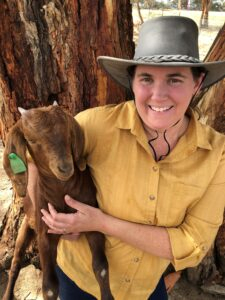
At Rivendell Rural Finance, principal Alison Smith helps clients with properties from 1 acre to 10,000 acres across NSW, VIC and QLD. The focus is Canberra and surrounds, the Southern Highlands, the Hunter Valley and Northern NSW. See the full list of service areas. Many clients arrive after other brokers and banks told them their situation was too hard.
Frequently Asked Questions
Is it harder to get a loan for farmer finance than a home loan? Yes, it can be. Lenders view rural properties as higher risk, and fewer of them offer rural products. A specialist broker improves your chances.
Can I get a farm loan with a low deposit? Possibly, depending on the lender and your situation. First home buyer schemes or guarantor arrangements may help, though they can bring higher costs such as lenders mortgage insurance.
Can I refinance multiple rural properties into one loan? Often yes, particularly for adjoining or related titles. The right lender and the right mix of fixed and variable rates are key.
Ready to Apply for Your Loan for Farmer Finance?
The right loan for farmer finance should match how you use your land and earn your income. With careful preparation and a specialist on your side, even a complex rural lending situation can often be solved.
Contact Rivendell Rural Finance on 1300 653 200 or at info@rivendellfinance.com.au to discuss your options.