
Finance for acreage, hobby farms, rural homes, vacant land and rural properties.
Rural property loans are specialist loans used to purchase rural homes, acreage properties, hobby farms, vacant rural land and agricultural properties in Australia.
Unlike a standard home loan, lenders may consider the property’s land size, zoning, location, intended use, access to services, valuation and whether the property generates agricultural income.
Rivendell Rural Finance specialises in rural property finance, helping borrowers across NSW, the ACT and regional Australia find suitable lending solutions for properties ranging from small acreage through to larger rural holdings.
What Are Rural Property Loans?
Rural property loans are finance solutions for purchasing rural, regional and acreage properties that may not fit standard residential lending criteria.
They can be used for:
- Acreage homes
- Hobby farms
- Lifestyle properties
- Rural residential properties
- Vacant rural land
- Bush blocks
- Farms and agricultural properties
- Larger rural holdings
Lenders may consider:
-
- Land size
- Zoning
- Property location
- Property use
- Dwelling entitlement
- Road access
- Utilities and infrastructure
- Property valuation
- Borrower’s income
- Deposit and loan-to-value ratio
According to the Australian Prudential Regulation Authority, lenders apply stricter risk policies to non-standard properties, which is why specialist brokers are critical.
7 Types of Rural Property Loans in Australia
1. Hobby Farm Loans
Ideal for lifestyle buyers with little or no farm income.
2. Acreage Home Loans
Designed for large residential blocks over 2.5 acres.
3. Commercial Farm Loans
For income-producing agricultural businesses.
4. Vacant Rural Land Loans
Used to purchase undeveloped land.
5. Livestock Property Loans
For grazing and animal-based farming.
6. Off-Grid Property Loans
For properties without standard utilities.
7. Rural Investment Property Loans
For investors buying regional or agricultural assets.
Rural Property Loan Requirements
To qualify for rural property loans in Australia, lenders assess:
Deposit Requirements
- 5% (limited lenders)
- 10–20% (standard)
- 20%+ (best approvals & rates)
Income Types Accepted
- PAYG employees
- Self-employed borrowers
- Farmers with seasonal income
Property Factors
- Road access
- Water supply
- Electricity
- Property condition
👉 Learn more about lending guidelines from Reserve Bank of Australia policies affecting interest rates.
How Much Can You Borrow?
Your borrowing capacity depends on:
- Income and expenses
- Existing debts
- Property type
- Lender risk policies
👉 Use our internal service: Check your borrowing power
👉 Or speak with a rural mortgage broker for a tailored strategy.
Interest Rates & Loan Features
Rural property loans interest rates vary depending on:
- Property size
- Location
- Loan-to-value ratio
Features include:
- Fixed & variable rates
- Offset accounts
- Redraw facilities
- Interest-only options
👉 Compare general home loan trends via Reserve Bank interest rate data
Common Challenges With Rural Property Loans
Securing rural property finance can be difficult due to:
- Large land sizes
- Zoning restrictions
- Limited comparable sales
- Off-grid infrastructure
- Irregular income
👉 This is why working with a specialist broker dramatically improves approval chances.
Why Use a Rural Mortgage Broker?
Most banks have strict policies that don’t suit rural buyers.
A broker helps you:
- Access niche lenders
- Structure your loan correctly
- Improve approval odds
- Navigate complex applications
👉 Explore our services:
Home Loans
Refinancing Options
First Home Buyer Loans
Rural Property Loan FAQs
Can I get a rural property loan with a 5% deposit?
Yes, but options are limited and may require lender’s mortgage insurance.
What size rural property can I finance?
Most lenders prefer properties under 10–50 hectares, but larger properties are possible with specialist lenders.
Are hobby farms harder to finance?
They can be, especially if they generate no income. However, many lenders still approve them with the right structure.
Can I finance an off-grid property?
Yes, but fewer lenders accept these properties. A broker can help find suitable options.
Do rural loans have higher interest rates?
Sometimes slightly higher, depending on risk factors like size, location, and property type.
Can self-employed borrowers get rural property loans?
Yes. Low-doc and alternative income verification options are available.
Can I get a loan for a rural property?
Yes, depending on the property and your financial circumstances.
| Property | Finance possible? | What lenders may consider |
|---|---|---|
| Acreage home | Yes | Land size, dwelling, location |
| Hobby farm | Yes | Property use, income, land size |
| Vacant rural land | Yes | Zoning, access, dwelling entitlement |
| Bush block | Yes | Location, services, zoning |
| Working farm | Yes | Farm income, land, business |
| Large rural property | Yes | Valuation, land size, use |
| Off-grid property | Sometimes | Utilities, access, property condition |
What do lenders look at when assessing a rural property loan?
1. Land size
Explain that acreage can affect which lenders will consider the property.
2. Zoning
Explain residential, rural, agricultural etc.
3. Dwelling entitlement
This is a really important opportunity.
Why choose a specialist rural property finance broker?
Rural property finance is an area where practical experience matters.
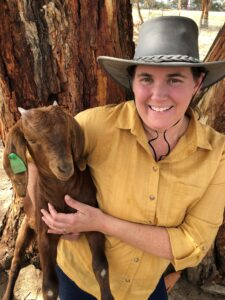
Rivendell Rural Finance Principal Alison Smith combines mortgage broking experience with firsthand experience of rural property ownership, farming and rural infrastructure.
This gives Rivendell an understanding of some of the issues that can arise when financing acreage, hobby farms, vacant rural land and larger rural properties.
Start Your Rural Property Journey Today
Whether you’re buying your first acreage, expanding a farm, or investing in rural land, we can help you secure the right finance solution.
👉 Book a consultation with a rural finance expert today
👉 Check your borrowing power
👉 Get pre-approved for your rural property loans
Rural Property Loan Case Study: Financing a 260-Acre Bush Block
The Challenge
The clients were looking to purchase a 260-acre rural property but were finding it difficult to navigate the finance options available for a larger rural holding. They wanted a broker who understood that financing a substantial rural property can be different from obtaining a standard residential home loan.
The Approach
Rivendell Rural Finance assessed the clients’ financial circumstances alongside the characteristics and intended use of the property. The property and lending requirements were considered to identify a lender and finance structure appropriate for the application.
The Outcome
Rivendell successfully arranged finance for the purchase, allowing the clients to proceed with the acquisition and settle on their rural property.
What This Shows
Larger rural properties can require a different approach to standard residential lending. Land size, property use, location, zoning and lender policy can all influence how an application is assessed.
If you’re considering purchasing a large rural property, speaking with a broker experienced in rural property finance can help you understand what lending options may be available.
Can I get a rural property loan with a 10% deposit?
Possibly. A 10% deposit may be sufficient for some rural property purchases, depending on the property, location, land size, valuation, your financial circumstances and the lender’s lending criteria. Smaller rural residential and acreage properties may have more lending options than larger rural holdings.
A rural property with a 10% deposit may also involve lenders mortgage insurance or other lending conditions, depending on the loan structure. A rural property finance specialist can assess your circumstances and help identify lenders that may be suitable.
Can I buy a rural property with a 5% deposit?
It may be possible in some circumstances, but it depends heavily on the property and lender. A 5% deposit can be more difficult for rural properties than for a standard residential property because lenders may place restrictions on land size, location, zoning and property type.
Some smaller rural residential or acreage properties may qualify for higher loan-to-value ratios, while larger or more specialised rural properties may require a larger deposit.
How much deposit do I need for a rural property?
There is no single deposit requirement for every rural property. The amount you need will depend on factors including the property’s value, land size, location, zoning, intended use and the lender’s policy, as well as your income and financial position.
As a general guide, larger rural properties may require a higher deposit. Some rural properties may be eligible for lending with a relatively small deposit, while larger rural holdings can require substantially more equity.
The best way to understand your likely deposit requirement is to have both your financial position and the specific property assessed before making an offer.
Can I get a home loan for an acreage property?
Yes, in many cases. An acreage property can potentially be financed with a home loan if it meets the lender’s residential lending criteria.
However, acreage properties can be assessed differently from a standard suburban home. Lenders may consider the land size, zoning, location, dwelling, access, services and intended use of the property.
If the property is particularly large or has agricultural or income-producing characteristics, specialist rural lending may be more appropriate.
Can I get a loan for vacant rural land?
Yes, finance may be available for vacant rural land, although the lending criteria can be different from purchasing an established home.
Lenders may consider factors such as zoning, land size, location, access, services, dwelling entitlement and your plans for the property.
If you intend to build a home on the land, the finance may also need to take your future construction plans into account.
Can I get finance for a bush block?
Potentially, yes. Finance may be available for a bush block, but these properties can require more careful assessment than a standard residential block.
Factors that may be considered include land size, zoning, road access, services, dwelling entitlement, location, valuation and whether the property can be used for residential purposes.
If you’re considering purchasing a bush block, it’s worth discussing the property with a rural finance specialist before committing to the purchase.
Can I get finance for a hobby farm?
Yes, hobby farms can potentially be financed, depending on the property and your financial circumstances.
A lender may consider the size and location of the property, the dwelling, zoning, how the property will be used and whether there is any agricultural or other income associated with it.
A hobby farm that is primarily a home and lifestyle property may be assessed differently from a larger commercial farming operation.
Can I get a loan for a property over 50 acres?
Potentially, yes. There isn’t a universal rule that prevents you from obtaining finance for a property over 50 acres.
However, as land size increases, the number of lenders willing to consider the property and the lending criteria may change. The lender may also consider whether the property is primarily residential, lifestyle, agricultural or income-producing.
For larger rural properties, the property’s location, zoning