
Bush Block Loans help make it possible to purchase rural land for your dream lifestyle whether you’re planning a future home, a weekend retreat, a hobby farm, or simply securing your own piece of rural Australia.
But financing a bush block is often very different to getting a standard residential home loan.
Many lenders assess vacant rural land more cautiously than a suburban house block. Things like land size, zoning, road access, services, location, and your future plans for the property can all influence which lenders will consider your application and how much you may be able to borrow.
At Rivendell Rural Finance, we specialise in helping clients across NSW, ACT and regional Australia secure the right finance for rural land, acreage properties, lifestyle blocks and vacant bush blocks. We understand that rural lending is a niche area and having the right broker can make all the difference.
What Is a Bush Block Loan?
A bush block loan is a type of rural or vacant land loan used to purchase undeveloped or semi-improved rural land, lifestyle acreage, or a vacant bush block that may not fit standard residential lending policy.
These properties are often located in regional or semi-rural areas and can be more complex for lenders to assess than a standard home in town. In many cases, lenders will apply stricter criteria depending on:
-
Property size
-
Rural or lifestyle zoning
-
Access to the land
-
Whether utilities or services are available
-
How remote the property is
-
Whether you plan to build now or later
-
The overall resale market for the property
If you’re asking, “Can I get a mortgage for a bush block?” the answer is often yes, but lender choice and loan structure matter.
Can You Get a Loan for a Bush Block in Australia?
Yes you can often get finance for a bush block in Australia, but it is usually considered a more specialised form of lending than a standard residential purchase.
Not all banks or lenders are comfortable with rural vacant land, especially if the block is:
-
Larger than a standard residential lot
-
In a remote or regional location
-
Unserviced or off-grid
-
Difficult to access
-
Zoned rural or mixed-use
-
Intended for future development rather than immediate construction
This is where a specialist rural mortgage broker can be incredibly valuable. Rivendell Rural Finance works with buyers looking at rural land, acreage properties, hobby farms and vacant blocks, and understands which lenders are more flexible for these types of properties. Rivendell’s own service pages note they assist with rural and acreage properties, including vacant land, and commonly work with properties from 1 acre up to 200 acres.
How Much Deposit Do You Need for a Bush Block Loan?
Deposit requirements for bush block loans can vary significantly from one lender to another.
Unlike standard metro home loans, bush block finance is often assessed based on the property’s risk profile, and that can influence how much deposit a lender wants to see.
Your deposit requirement may be affected by:
-
The size of the land
-
Whether the land is vacant or improved
-
The property’s location and postcode
-
Rural or environmental zoning
-
Road access (sealed vs unsealed)
-
Availability of water, power or septic
-
Whether there is an existing dwelling
-
Whether you intend to build soon or hold the land
-
Marketability and resale appeal
In general, larger, more remote, or unserviced bush blocks may require a stronger deposit position than a more standard acreage or rural residential property.
The most important thing is not assuming all lenders treat bush blocks the same because they don’t.
What Do Lenders Look At for Bush Block Loans?
When assessing a bush block loan, lenders are not just looking at your income and deposit. They are also looking very closely at the land itself.
Key things lenders may assess include:
1. Zoning
The zoning of the land matters a lot. Rural, environmental, farming, lifestyle or mixed-use zoning can all impact which lenders will consider the property.
2. Land Size
Some lenders have strict acreage limits for standard residential lending. Once a property gets larger, it may need to be assessed under a rural or specialised policy.
3. Access to the Property
Lenders often look at whether the property has legal and practical access, including whether roads are sealed or unsealed and how easily the land can be reached year-round.
4. Services and Utilities
Is there power? Water? Septic? Tank water? Off-grid capability? Unserviced blocks can be more difficult for some lenders.
5. Existing Improvements
A vacant block is assessed differently to a property with fencing, sheds, driveways, a dwelling or other established infrastructure.
6. Intended Use
Are you buying the land to build a home, keep as a weekend block, run a hobby farm, or hold for future plans? Lenders want clarity on your intentions.
7. Marketability
Lenders always consider resale. If they needed to sell the property, how easy would it be? Highly unique or remote blocks may be considered harder to sell.
8. Environmental or Regional Risks
Bushfire overlays, flood zones, difficult terrain or land use restrictions can all affect lender appetite.
This is one of the biggest reasons bush block finance is rarely “one size fits all.”
Bush Block Loans vs Standard Home Loans
Bush block loans can look very different to a standard residential home loan.
| Bush Block Loans | Standard Home Loans |
|---|---|
| Often assessed under rural or vacant land policy | Usually assessed under standard residential policy |
| Lender choice may be more limited | Broad lender choice |
| Land size can impact approval | Standard block sizes usually straightforward |
| Zoning is a major factor | Zoning is usually simple residential |
| Access and services matter more | Less likely to affect policy |
| Vacant land can be viewed as higher risk | Existing homes are usually easier to assess |
| May require a stronger deposit position | Lower deposit options may be more common |
| Future building plans may influence lender choice | Existing dwelling already in place |
This is why working with a broker who understands rural and acreage lending can save time, reduce declined applications, and improve your chances of getting the right outcome.
Can You Buy a Bush Block Now and Build Later?
Yes in many cases, buyers purchase a bush block first and build later.
This is a common strategy for people who want to:
-
Secure land before prices rise
-
Buy in their preferred region while stock is available
-
Take time planning a custom home
-
Stage their move to the country
-
Build after saving more funds or finalising plans
However, lenders may want to understand your timeframe and intentions.
Some lenders are more comfortable when the block is clearly suitable for future residential use, while others may be more cautious if the land is highly specialised, remote, or difficult to develop.
If you are planning to buy now and build later, it’s important to choose a lender and loan structure that supports your long-term goals not just the initial land purchase.
What Makes a Bush Block Easier or Harder to Finance?
A bush block may be easier to finance if it has:
-
Reasonable acreage size
-
Good road access
-
Rural residential or straightforward rural zoning
-
Existing fencing or improvements
-
Power nearby or already connected
-
Tank water, septic or approved services
-
Strong resale appeal
-
A location close to town or a regional centre
-
Clear plans for future use
A bush block may be harder to finance if it is:
-
Very large acreage
-
Highly remote
-
Off-grid with limited infrastructure
-
Landlocked or difficult to access
-
Unserviced with no clear development pathway
-
In a bushfire, flood or environmental overlay zone
-
Unusual in shape, topography or use
-
Difficult to value or resell
This doesn’t mean the loan is impossible, it just means lender selection becomes more important.
Bush Block Loans in NSW, ACT and Regional Australia
If you’re looking to buy a bush block in NSW, the ACT or nearby regional areas, local knowledge matters.
Rural and lifestyle properties around Canberra, Bungendore, Queanbeyan, Yass, Goulburn, Crookwell and surrounding regions can vary significantly in land type, zoning, access and lender suitability.
Rivendell Rural Finance is based in the region and positions itself as a specialist in rural and acreage lending across NSW and ACT, with a strong focus on vacant land, acreage properties, hobby farms and rural home loan scenarios. Their website also highlights Alison Smith’s practical experience managing a farm and building rural infrastructure, which adds genuine real-world insight when helping buyers assess rural land finance.
Whether you are buying:
-
A small bush retreat
-
A lifestyle block
-
A hobby farm
-
Vacant rural land
-
A future home site
-
A larger acreage property
…we can help you understand what lenders are likely to look for and how to structure your application correctly from the start.
Why Work With a Specialist Rural Mortgage Broker for Bush Block Loans?
Bush block finance can be more complex than a standard home loan and choosing the wrong lender can lead to delays, lower borrowing capacity, unnecessary declines, or a loan structure that doesn’t suit your future plans.
At Rivendell Rural Finance, we specialise in rural and acreage lending because rural properties are different.
We help clients with:
-
Bush block loans
-
Rural vacant land finance
-
Lifestyle property loans
-
Acreage home loans
-
Hobby farm loans
-
Regional first home buyer scenarios
-
Rural construction and build-later strategies
Rivendell’s website consistently positions Alison Smith as a rural lending specialist and Principal of the business, with experience in complex rural property scenarios, vacant land, and acreage lending.
Why this matters:
A specialist broker can help you:
-
Avoid lenders that are not suited to bush blocks
-
Understand land size and zoning issues early
-
Structure your application for the right lender
-
Plan for future construction or staged borrowing
-
Reduce the risk of avoidable setbacks
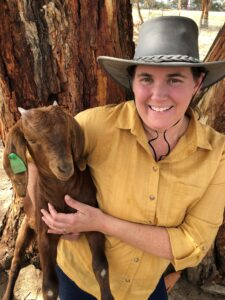
Meet Alison Smith, Principal, Rivendell Rural Finance
Alison Smith is the Principal of Rivendell Rural Finance and a qualified mortgage broker with a strong focus on rural and acreage lending.
She is a member of the FBAA and brings a unique combination of financial expertise and practical rural experience. Rivendell’s site states that Alison has a corporate background in business and financial consulting, operates a farm on her own property, and has firsthand experience with rural vacant land, home construction and farm infrastructure. That kind of lived experience is especially relevant when guiding clients through bush block and acreage finance.
When you’re financing a property that doesn’t fit standard suburban lending policy, that level of niche understanding can make a real difference.
Frequently Asked Questions About Bush Block Loans
What is a bush block loan?
A bush block loan is a type of finance used to purchase vacant or semi-improved rural land, lifestyle acreage or undeveloped land that may not meet standard residential lending criteria.
Can I get a loan for vacant rural land?
Yes, many buyers can obtain finance for vacant rural land, but lender choice depends on factors such as land size, zoning, location, access, services and future plans for the property.
Are bush block loans harder to get than normal home loans?
They can be more specialised. Bush blocks are often assessed more carefully because vacant rural land can be harder to value and may have stricter lender policies than a standard residential home.
How much deposit do I need for a bush block?
Deposit requirements vary depending on the property and the lender. Larger, more remote or unserviced blocks may require a stronger deposit position than more standard rural residential land.
Can I buy a bush block without building straight away?
Yes, in many cases you can buy a bush block now and build later. The right lender and loan structure are important if you want flexibility for future construction.
Are off-grid or unserviced bush blocks harder to finance?
Sometimes, yes. Blocks without power, water, septic or clear access may be viewed as higher risk by some lenders, which can reduce lender choice.
Can first home buyers buy a bush block?
Potentially, yes. It depends on your deposit, income, the property itself and whether the lender is comfortable with the land type and your intended use.
Does zoning matter for bush block finance?
Absolutely. Zoning can affect lender eligibility, valuation approach and whether the property is assessed under residential, rural or specialised policy.
Ready to Explore Bush Block Finance?
If you’re thinking about buying a bush block, the best first step is to get clear on what lenders are likely to accept before you sign a contract.
At Rivendell Rural Finance, we help buyers understand:
-
Whether a bush block is likely to be financeable
-
Which lenders may suit the property type
-
What deposit position may be needed
-
How future build plans can affect lender choice
-
How to avoid common rural lending pitfalls
Speak with a specialist in bush block loans, rural vacant land finance and acreage lending.
Contact Rivendell Rural Finance today to discuss your bush block purchase in NSW, ACT or regional Australia.